



Famous cafes Throughout History and Their Cultural Significance

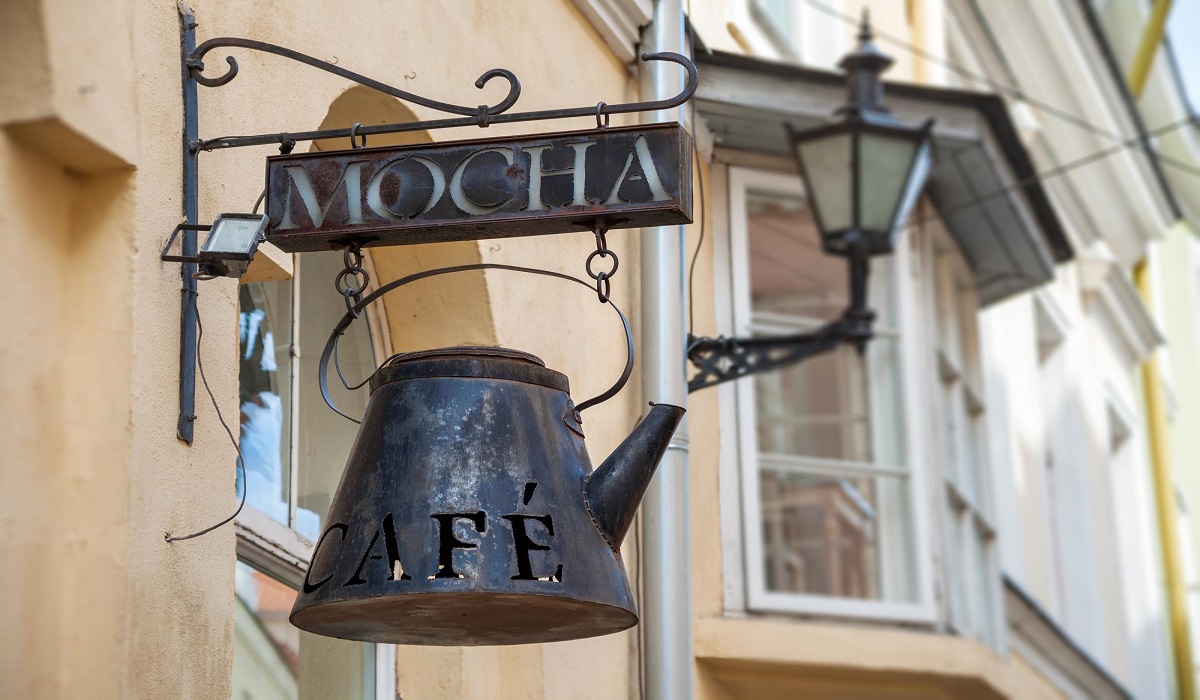
Coffee houses, or famous cafes in the world, have always been more than mere places to enjoy a cup of coffee. Throughout history, these iconic cafés have been centers of social, political, and cultural transformations. Within their walls, revolutions were sparked, timeless literary works were created, and artists drew inspiration from one another.
A journey of famous cafes in the world is a journey through time and space. From the narrow streets of old Istanbul to the cobblestone avenues of Paris, from the grand squares of Venice to the cozy cafes of Vienna, each café tells its own unique story. Today, stepping into a historic café feels like peering through a window into the past, hearing the lively conversations of intellectuals and artists.
The Origins of Café Culture in the Islamic World
Kiva Han: The First Recorded Coffee House
The history of the first coffee house dates back to 1475 in Constantinople (modern-day Istanbul). Kiva Han, located in the Sultanahmet district, quickly became a hub for political and social discussions. In this café, Turkish coffee was brewed traditionally in copper pots, and patrons spent hours debating current affairs.
The social influence of coffee houses was so significant that Sultan Murad IV in 1633 declared drinking coffee a crime punishable by death. Nevertheless, café culture had become so deeply rooted in society that even this strict decree could not halt its expansion.
Tahmis Coffee House: A Byzantine Legacy
Tahmis Coffee House in Gaziantep, opened in 1635, was the first Byzantine café in the world. Its unique architecture reflects a blend of Ottoman and Byzantine traditions. High wooden ceilings, stained glass windows, and hanging lamps create a dreamlike atmosphere.
Today, Tahmis remains one of the famous cafes in the world, continuing to serve traditional coffees and a specialty beverage called Mengiç Coffee, made with pistachios. Live traditional Turkish music and the aroma of freshly brewed coffee offer visitors an authentic Middle Eastern café experience.
The Golden Age of European Cafes in Famous cafes in the world
Le Procope: The Heart of Parisian Intellectual Life
Established in 1686, Le Procope in Paris is the longest-running café in Western Europe. Founded by a Sicilian immigrant in the Saint-Germain-des-Pres district, it quickly became a gathering place for intellectuals and artists. The walls of this café witnessed the lively discussions of Voltaire, Diderot, Rousseau, and many other Enlightenment thinkers. In the 19th century, Le Procope welcomed a new generation of writers and artists.
Victor Hugo, Alfred de Musset, Honore de Balzac, and Paul Verlaine were regular patrons. Painters often paid for their coffee with artwork, some of which still adorn the café’s walls today. Even though most visitors are now tourists, the spirit of the café’s vibrant past is still palpable.
Florian Café: The Jewel of Piazza San Marco
Florian Coffee in Venice, opened on December 29, 1720, by Floriano Francesconi, revolutionized coffee culture by becoming the first coffee to allow women entry, marking an important step toward gender equality. Its strategic location in Piazza San Marco, the heart of the Venetian Republic, made it a stage for significant historical events.
The cafe’s guest list reads like a diary of European art and literature history: Casanova, Carlo Goldoni, Goethe, Lord Byron, Ugo Foscolo, Balzac, Charles Dickens, and Oscar Wilde. The lavish interior, featuring red velvet sofas, full-length mirrors, and ceiling paintings, showcases the splendor of Venice’s golden era. Signature drinks such as Frozen Florian and coffee del Doge are still prepared according to the original recipes.
Vienna: The Capital of Coffee Culture
Coffee Central: A Hub for Intellectuals
Café Central, established in 1876, played a crucial role in shaping Central European intellectual culture. Designed by the renowned architect Heinrich von Ferstel, the café hosted prominent figures such as Sigmund Freud, Leon Trotsky, Alfred Adler, and Peter Altenberg. Its ground floor, frequented by professional chess players, became known as the “Vienna Chess School.”
The neo-Gothic architecture, high arched ceilings, and marble columns of Coffee Central exemplify Habsburg imperial design. Its menu reflects Vienna’s rich culinary tradition, from schnitzels to traditional desserts like Sachertorte. Here, coffee is not just a beverage; it is part of a cultural ritual.
Café Frauenhuber: Vienna’s Oldest Café
Since 1824, Cafe Frauenhuber, in its yellow Art Deco building on Herrengasse Street, has welcomed coffee enthusiasts. The café hosted performances by Mozart and Beethoven. Its slightly unconventional yet charming interior, with Art Deco décor and comfortable furniture, creates a cozy atmosphere.
The extensive menu offers dozens of coffee varieties and traditional Viennese pastries. A local custom suggests enjoying a strong cup of coffee with a slice of Sachertorte, perhaps followed by a chess game. This experience is completed by the authentic Austrian café ambiance.
Rome: Antico Caffe Greco and Italy’s Artistic Heritage
Founded in 1760 by the Greek Nicola Della Maddalena, Caffe Greco in Rome quickly became a hub for artists and writers. Its strategic location near the Rome Academy of Arts made it a center for the development of Italian art, particularly photography. The Metropolitan Museum recognizes this café as one of the most important centers for the formation of the Italian school of photography.
The cafe’s guest list is remarkable: John Keats, Percy Shelley, Goethe, Richard Wagner, and Felix Mendelssohn. The walls are adorned with artworks, and its interior resembles a museum of Italian art history. Today, it remains one of the famous cafes in the world, continuing to gather artists and art enthusiasts, serving coffee prepared in the traditional style.
Conclusion
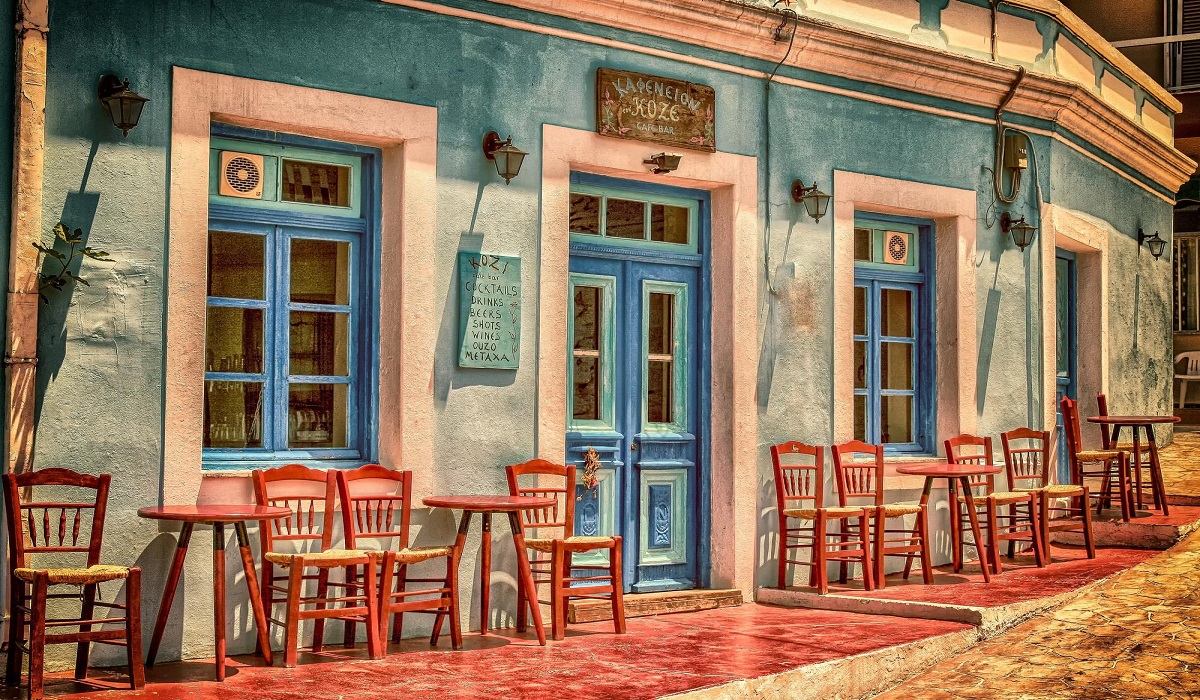
Famous cafes in the world teach us how a social space can shape culture and civilization. They are not only places to drink coffee but also hubs for conversation, creativity, and the exchange of ideas. This cultural heritage remains alive in today’s cafes.
Leading coffee companies, such as Parto Padideh Pars, recognizing the cultural significance of cafes, strive to preserve this legacy by importing and supplying the finest coffees to cafes across the country. By offering high-quality coffee and supporting café culture, they contribute to maintaining this historical tradition. Wholesale coffee supplier for trade events, Specialty coffee beans for distributors, and Coffee beans for roasting are part of their efforts to ensure every café can deliver an authentic and culturally rich coffee experience.