



Comparison of Coffee Cultivation Conditions in Iran with Major Producing Countries


Coffee is one of the strategic commodities in global trade, and its production is limited to specific regions of the world. The cultivation of coffee in Iran has become a topic of interest for farmers and investors in recent years. Studies indicate that, despite numerous challenges, coffee cultivation in Iran is feasible in some regions. In particular, research on coffee cultivation in northern Iran shows that certain humid areas in this region have initial potential for experimental planting.
Considering the rapidly growing coffee consumption in the country and the high volume of imports, conducting an accurate assessment of coffee cultivation conditions in Iran is highly important. In the following sections, we examine Iran’s climatic characteristics and compare them with major coffee-producing countries to evaluate the feasibility of cultivating this crop in different regions. This section also reviews the history of coffee cultivation in Iran and the early efforts to establish a coffee farm in the country, while addressing the existing challenges and opportunities.
Climatic Requirements for Coffee Cultivation
Coffee trees require specific climatic conditions for optimal growth. The ideal temperature for Arabica coffee ranges from 15°C to 24°C, while Robusta coffee grows best at temperatures between 24°C and 30°C. In addition to temperature, annual rainfall should be between 1500 and 2500 millimeters to support healthy growth. These factors show that suitable climates for coffee cultivation are commonly found in warm and semi-humid regions. Successful coffee-producing countries are typically located within the so-called “coffee belt,” whose natural conditions are highly favorable for coffee cultivation.
Suitable soil for coffee cultivation must be rich in organic matter and well-drained. A soil acidity level of 5.5 to 6.5 is essential for optimal growth. Altitude is also a key factor affecting the quality of the crop. Arabica coffee grows best at elevations between 600 and 2300 meters, while Robusta coffee performs best below 800 meters.
Coffee Cultivation in Leading Producing Countries
Brazil, the world’s largest coffee producer, produces about 60 million bags—equivalent to 3.6 million tons—annually. It enjoys favorable tropical weather, consistent rainfall, and fertile soil. Brazilian farmers, with more than 150 years of experience in growing coffee, have developed advanced methods for coffee production.
Modern irrigation systems and precise farm management help them produce high-quality coffee. Vietnam, the world’s second-largest coffee producer, has achieved remarkable success by focusing on Robusta coffee production. Its climatic conditions are ideal for Robusta, and production costs are relatively low. Colombia also holds a special place in the global coffee market due to its production of high-quality Arabica coffee grown at high altitudes in the Andes.
These countries serve as vital models for evaluating the feasibility of coffee cultivation in Iran. Learning from these experiences can help Iran develop its own Best Arabica coffee brand in Iran and Best Robusta coffee brand in Iran for the domestic and international market.
Assessment of Coffee Cultivation in Iran
Coffee cultivation conditions in Iran faces serious challenges. Most regions of the country experience cold winters and hot summers, which are unsuitable for coffee trees. Annual rainfall in many parts of Iran is below the required level. However, some southern regions—such as Hormozgan Province and parts of Bushehr—offer relatively suitable conditions for experimental coffee cultivation.
Research suggests that coffee cultivation in Iran requires investment in infrastructure and the transfer of technical knowledge. Some recent studies have examined the possibility of establishing a coffee farm in more humid northern areas. Leading companies in the Iranian coffee industry—such as Parto Padideh—that one of the famous coffee brands in Iran, can play an important role in this field. With their experience in importing and distributing coffee, Parto Padideh Pars can also contribute to the development of domestic coffee cultivation conditions in Iran.
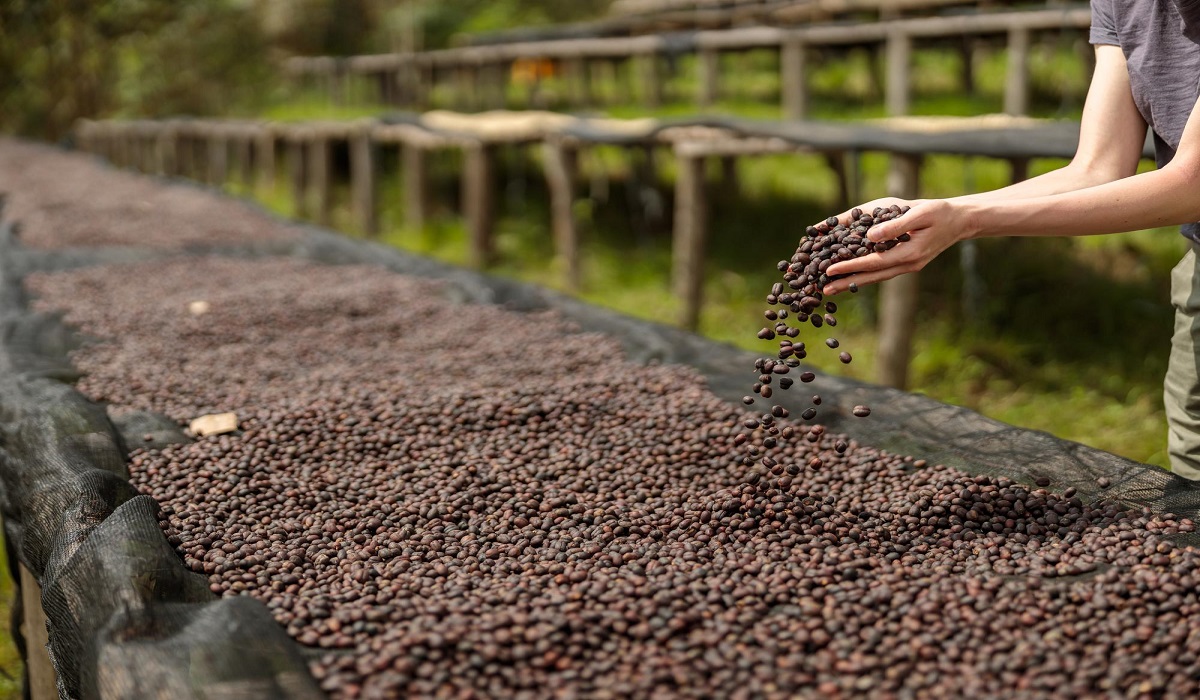
Regions Suitable for Coffee Cultivation in Iran
Hormozgan Province, with its warm and humid climate, has good potential for cultivating Robusta coffee. High relative humidity and suitable temperatures throughout the year create conditions similar to those in some coffee-producing regions of Southeast Asia. Parts of Bushehr Province, due to their proximity to the sea and adequate humidity, may also be suitable for experimental coffee cultivation.
Northern regions of the country—particularly parts of Gilan and Mazandaran provinces—possess sufficient rainfall and suitable soil; however, winter cold creates limitations for coffee cultivation. Despite these constraints, some milder areas in these provinces have been listed for experimental coffee growing. Using modern greenhouses and controlled environmental conditions could make limited coffee cultivation conditions in Iran possible in these regions.
Practical Approaches for Coffee Cultivation in Iran
Initial experiments show that coffee cultivation conditions in Iran requires a scientific and well-planned approach. The first step is selecting coffee varieties resistant to Iran’s climate. Robusta coffee, due to its greater tolerance to temperature fluctuations and lower water requirements, is a more suitable option for beginning coffee cultivation in Iran.
Using drip irrigation systems and mulching to retain soil moisture are practical solutions to overcome climatic limitations.
Cooperation with experienced coffee-producing countries can help transfer technical expertise. Countries such as Vietnam—which has succeeded under similar conditions—serve as strong models for developing coffee cultivation in Iran. Farmer training and the use of modern agricultural equipment are additional success factors.
Economic Challenges of Coffee Cultivation Conditions in Iran
The high cost of establishing coffee farms is one of the main barriers to coffee cultivation in Iran. Acquiring high-quality seedlings, creating irrigation infrastructure, and purchasing advanced coffee-production equipment all require significant investment. Establishing a coffee farm in regions such as northern or southern Iran entails substantial initial capital. Additionally, the long maturation period for coffee trees (at least 3–4 years) and the risks associated with climate variability present serious challenges for investors. Competition with imported coffee is another issue; small-scale domestic production often results in higher costs compared to imported varieties.
Farm Management Under Iran’s Climatic Conditions
Coffee cultivation in Iran requires careful environmental management. Using artificial shade to control sunlight exposure, installing windbreaks to protect plants from hot and dry winds, and implementing precise irrigation systems are essential practices. Experience shows that dense planting and smart irrigation systems can improve farm performance under harsh climatic conditions.
Controlling pests and diseases presents another challenge under Iran’s climate. Integrated pest management and modern protective methods are effective ways to reduce losses and boost productivity.
Future Outlook of Coffee Cultivation Conditions in Iran
Despite its many challenges, coffee cultivation in Iran can succeed on a limited scale in suitable regions. Advances in agricultural technology and the ability to control environmental conditions in modern greenhouses have created new opportunities. Rising coffee consumption in Iran and growing consumer preference for domestic products further strengthen the incentive for investment.
Achieving success in domestic coffee cultivation requires collaboration across multiple sectors. Government support, private-sector participation, and the involvement of research institutions can all contribute to the sustainable development of this industry. The experience of countries that have succeeded under similar conditions shows that, with proper planning, the goal is achievable.