



The History of Coffee in the World: From Ethiopia to Modern Coffeehouses

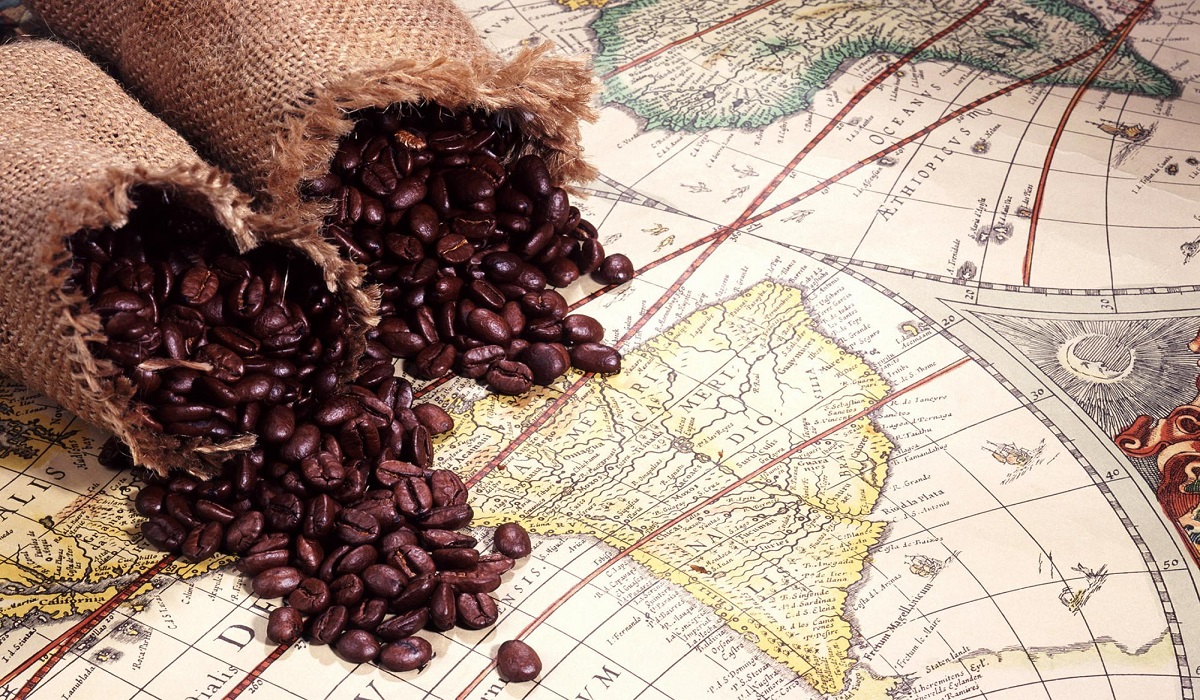
The history of coffee in the world begins with an astonishing story from Ethiopia. In the 9th century AD, in the mountainous region of Kaffa, a shepherd named Kaldi observed his goats energetically leaping late into the night after eating red berries from a wild shrub. Amazed by this unusual behavior, Kaldi collected some of the berries and took them to a local monastery.
Initially considered undesirable, the monks threw the berries into the fire. At that moment, a delightful aroma from the roasted berries filled the air, captivating the monks. Through much experimentation, they discovered that brewing the roasted beans in boiling water produced a drink that helped them stay awake during long night prayers. These early trials laid the foundation for the trade in Coffee beans for roasting, which would later spread far beyond Ethiopia.
This discovery marked the beginning of the global journey of coffee. Monks dried the beans and sent them to other monasteries, gradually spreading news of this remarkable beverage. Local farmers realized they could cultivate the plant, giving rise to the first coffee plantations and eventually contributing to the Arabica & Robusta Coffee Export trade.
Expansion of Coffee in the Middle East and North Africa
Coffee reached Yemen in the 15th century AD, entering a new stage in its global history. The port of Mocha became the first hub for Arabica & Robusta Coffee Export, sending beans worldwide. Yemeni farmers were the first to cultivate coffee systematically and developed advanced methods for processing and storing Coffee beans for roasting.
They carefully selected only the finest coffee beans for export, establishing the foundation for modern Specialty coffee beans for distributors. Coffee spread from Yemen to Egypt, Iran, and the Ottoman Empire. Coffeehouses in these regions became centers for intellectual, social, and political exchange. By the 16th century, Istanbul’s coffeehouses flourished so much that they were called the “School of the Wise.”
During this era, coffee became more than a beverage—it symbolized culture, art, and intellectual life. Artists, poets, and scholars gathered in coffeehouses to discuss and exchange ideas.
Coffee in Europe: From Skepticism to Acceptance
Coffee entered Europe in the early 17th century and faced serious resistance. Venetian merchants introduced it, but the Catholic Church initially opposed the new drink, labeling it the “devil’s beverage.” Opposition persisted until Pope Clement VIII tasted coffee himself.
The Pope’s approval marked a turning point in coffee history. Following this, coffeehouses spread rapidly across Europe. The first London coffeehouse opened in 1652, followed by hundreds more. These establishments became hubs for intellectual discussions, commercial transactions, and news exchange, while also facilitating the growing demand for Specialty coffee beans for distributors and Coffee beans for roasting.
These places became centers for intellectual debates, commercial transactions, and the exchange of news.
The Coffee Revolution in the Americas
Another milestone occurred with coffee’s introduction to the Americas. In 1727, Brazilian officer Francisco de Melo Palheta was sent on a mission to French Guiana. Tasked with bringing coffee beans to Brazil, Palheta cleverly secured a few beans secretly, sparking a monumental transformation.
Brazilian farmers quickly expanded coffee cultivation on fertile land, producing beans that soon became central to the Arabica & Robusta Coffee Export trade. By 1822, Brazil had become the world’s largest coffee producer, a status it maintains today.
This success inspired other Latin American countries, such as Colombia and Guatemala, to become major coffee exporters.

The Golden Age of Coffeehouses
The 19th century is often considered the golden age of coffeehouses. Globally, these establishments became central to culture and society. In Paris, Café procope hosted thinkers and writers such as Voltaire and Rousseau. In Vienna, coffeehouses were so significant that they were later recognized as part of the city’s cultural heritage by UNESCO.
In Iran, coffeehouses held an important place in culture and art during the Safavid era, serving as gathering spots for poets, storytellers, and artists. These coffeehouses functioned as “People’s Universities,” where individuals from different social classes could sit together and exchange ideas. Companies like Parto Padideh Pars now continue this tradition by offering the finest coffee beans for roasting and specialty coffee beans for distributors, keeping authentic coffee culture alive.
Industrial Revolution and Modern Coffee Production
The Industrial Revolution transformed coffee production. Innovations such as coffee machines, electric grinders, and modern processing techniques reshaped the industry. In 1818, a Parisian metalsmith invented the first percolator, and in 1864, James Burns created the first industrial coffee roaster, revolutionizing the preparation of Coffee beans for roasting.
Technological progress continued into the 20th century. Instant coffee, introduced by Nestlé, made coffee widely accessible. In 1901, Luigi Bezzera invented the espresso machine in Italy, symbolizing Italian coffee culture. Home coffee machines in the 1950s made coffee an integral part of daily life. Today, specialty coffeehouses offer carefully sourced specialty coffee beans for distributors from around the world, providing unique experiences to customers.
Timeline of Coffee’s Global Expansion
| Timeframe | Region / Country | Significant Event in the History of Coffee | Significance for Coffee Culture |
|---|---|---|---|
| 9th Century AD | Ethiopia | The Discovery of Coffee Beans by a Shepherd Named Kaldi |
The Beginning of Coffee Awareness and Its Energizing Properties |
| 15th Century AD | Yemen |
The Start of Coffee Cultivation and Brewing |
The Birth of Coffee as a Popular Beverage |
| 16th Century AD | The Middle East (Mecca and Istanbul) | The Expansion of Coffeehouses | The Formation of Coffee-Drinking Social Culture |
| 17th Century AD |
Europe |
The Introduction of Coffee to Venice, France, and England |
The Popularization of Coffee Among Different Social Classes |
| 18th Century AD |
South America |
The Transfer of Coffee to Brazil |
|
Conclusion
The history of coffee in the world tells a remarkable story of discovery, innovation, and cultural transformation. From wild beans in Ethiopia to modern cafés, coffee has always been more than a beverage. It connects cultures, inspires creativity, and shapes societies. As the industry continues to evolve, the unchanging power of coffee remains: bringing people together and creating unforgettable experiences.