



The Amazing Story of Kopi Luwak: Indonesia’s Most Expensive Coffee

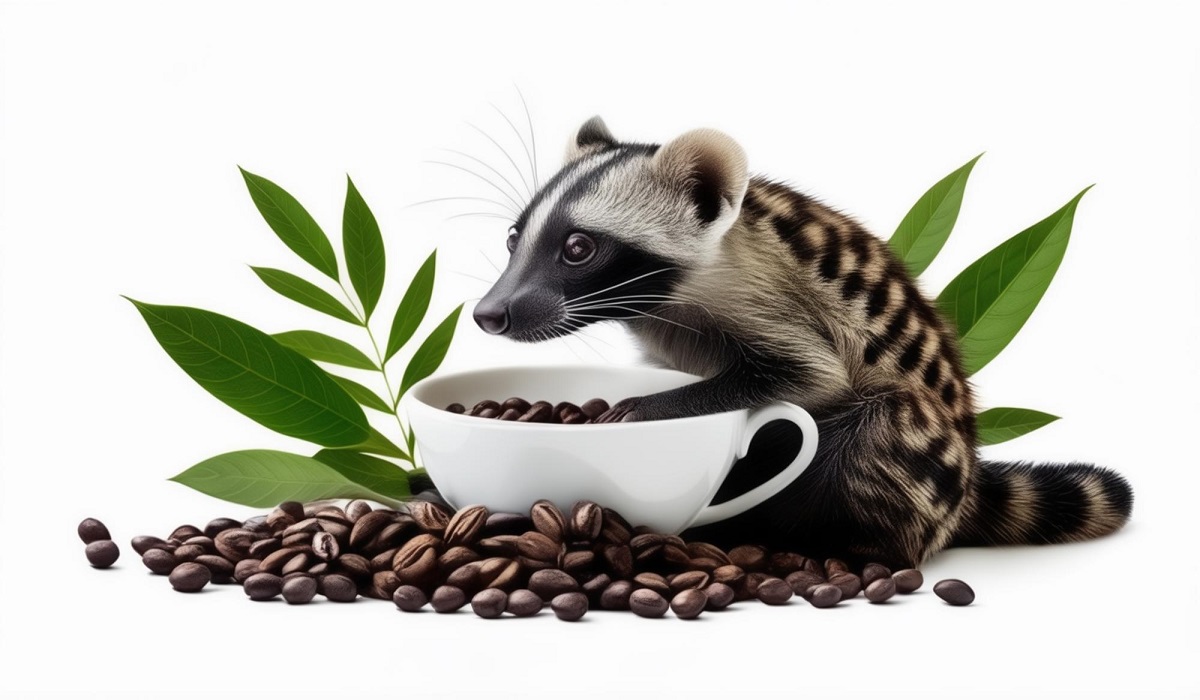
In a remote corner of Indonesia’s rainforests, the story of Kopi Luwak coffee began at a time when local farmers, living under Dutch colonial rule, were forbidden from harvesting coffee beans. Every morning, they went to work on the coffee plantations and noticed that an animal known as the Asian palm civet consumed the coffee cherries and later excreted the beans.
This simple observation marked the beginning of one of the world’s most extraordinary coffees. Deprived of the right to drink coffee themselves, the farmers cleverly decided to collect the excreted beans. They discovered that after careful washing and roasting, these beans produced a coffee with a remarkably distinctive flavor. This was how Kopi Luwak was born—a coffee that is now recognized as one of the most expensive coffees in the world. Today, Kopi Luwak is not only a luxury product for connoisseurs but also a niche offering for Specialty coffee beans for distributors, particularly those seeking rare and story-driven coffees.
Why Is Kopi Luwak Coffee So Unique?
The secret behind the unique flavor of Kopi Luwak lies in the civet’s natural selection process. With its highly developed sense of smell, the animal chooses only the ripest coffee cherries. Once the cherries enter the civet’s digestive system, natural enzymes in its stomach alter the protein structure of the beans.
This natural process, which takes approximately 36 hours, gives Kopi Luwak coffee its unmistakable character. Coffee drinkers often report aromas reminiscent of dark chocolate, caramel, and sometimes even subtle hints of vanilla. Notably, Kopi Luwak coffee is known for having significantly less bitterness compared to conventional coffees.
The Complex Production Process of Kopi Luwak Coffee
The collection and production of Kopi Luwak coffee are both labor-intensive and time-consuming. In traditional methods, farmers spend hours in the forest searching for the excreted beans. Once found, the beans are thoroughly washed and sun-dried. Parto Padideh Company, active in the coffee import sector, confirms that this intricate process is one of the primary reasons behind the high price of Kopi Luwak. Due to its rarity and prestige, Kopi Luwak is sometimes sourced by companies acting as a Wholesale coffee supplier for trade events, where exclusive and high-end products are showcased to industry professionals.
Unfortunately, in recent years, some producers have confined civets in cages and force-fed them coffee cherries to increase production. This practice is not only unethical but also diminishes the quality of Kopi Luwak coffee. In the wild, civets consume a varied diet that includes insects and other fruits, and this dietary diversity plays an important role in shaping the final flavor profile of the coffee.
How to Identify Authentic Kopi Luwak Coffee?
Distinguishing genuine Kopi Luwak from counterfeit products is not easy. According to statistics, approximately 75% of Kopi Luwak coffee available on the global market is fake. Some dishonest producers coat ordinary coffee beans with animal fats or special oils to imitate the flavor of authentic Kopi Luwak.
To purchase genuine Kopi Luwak, consumers should buy from reputable sellers who provide ethical production certifications. These certifications confirm that the coffee is sourced from free-ranging civets and that no animals were harmed during production.
Authentic Kopi Luwak can command prices of up to $1,000 per kilogram, whereas counterfeit versions are typically sold at much lower prices. Such certified products are often presented by a Wholesale coffee supplier for trade events that focuses on transparency, traceability, and ethical sourcing.
What Does Kopi Luwak Coffee Taste Like?
Kopi Luwak coffee offers a flavor experience that is entirely different from ordinary coffee. Drinkers frequently describe its texture as smooth and velvety. Unlike conventional coffees that may be intensely bitter, Kopi Luwak has a well-balanced taste with very mild bitterness.
The first sip reveals chocolatey and caramel notes, followed by delicate aromas of vanilla and, occasionally, forest fruits. Interestingly, the flavor profile of Kopi Luwak varies depending on the region where the civets live and their diet.
For instance, Kopi Luwak from Sumatra tends to have a bolder, more earthy character, while varieties from Java are generally milder and sweeter. This diversity in taste is one of the main reasons why Kopi Luwak continues to attract devoted coffee enthusiasts and international buyers of Specialty coffee beans for distributors.
Brewing Kopi Luwak Coffee
To fully experience the true flavor of Kopi Luwak, proper brewing is essential. Experts recommend using filter brewing methods or a French press. The water temperature should be between 90 and 93 degrees Celsius, slightly below boiling point. The grind size should be medium to coarse to ensure optimal extraction without excessive bitterness.
Brewing time is also crucial. For filter methods, the ideal extraction time is around four minutes, while for a French press, up to five minutes is recommended. Due to its high price, many cafés serve Kopi Luwak as a single-origin, single-cup offering, typically using 15 to 20 grams of ground coffee per cup. Using filtered or mineral water further helps preserve the coffee’s authentic flavor.
What Does the Future Hold for Kopi Luwak Coffee?
Today, with the growing awareness of animal rights, many Kopi Luwak buyers are seeking products that are produced through ethical practices. Some forward-thinking producers in Indonesia are experimenting with new methods for producing this coffee, using modern technologies to simulate the natural digestive process.
Scientists are closely examining the chemical changes that occur in the civet’s digestive system and how these changes affect the coffee beans. Their objective is to find a way to produce coffee with the same quality and flavor profile, but without the involvement of animals. These studies have the potential to transform the future of the Kopi Luwak coffee industry.