



The Art of Barista Craft: From Bean Selection to the Perfect Cup of Coffee

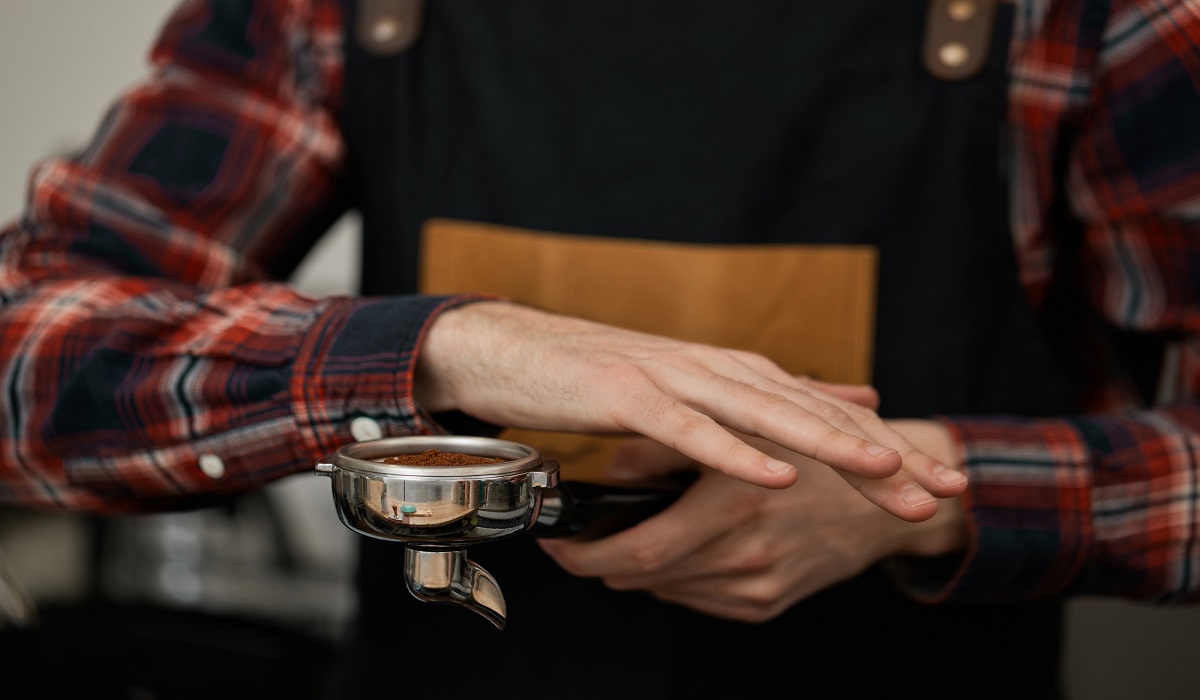
The world of coffee is full of mystery and intrigue. When it comes to the art of barista craft, we encounter a realm of subtleties and intricate techniques, each playing a crucial role in creating an exceptional cup of coffee. Barista artistry is not limited to brewing coffee; it is a combination of knowledge, experience, and creativity that transforms an ordinary cup into a memorable experience.
Understanding Coffee Beans: The First Step in Barista Art
In the world of barista craftsmanship, understanding coffee beans holds special importance. A professional barista must be able to recognize the characteristics of different coffee beans and understand the flavors and aromas each type offers. Parto Padideh Company assists baristas in selecting the finest beans by providing Coffee beans for roasting and Specialty coffee beans for distributors.
Baristas know that the final taste of coffee depends on factors such as the origin of the beans, the altitude of the coffee plantations, processing methods, and the degree of roasting. Each coffee-producing region has its unique profile. For example, Ethiopian coffees often present floral and fruity notes, whereas Brazilian coffees are known for their chocolatey and nutty flavors.
A skilled barista understands how to leverage these differences to create new blends. In barista artistry, selecting the right beans is akin to a painter choosing the perfect colors.
Principles of Coffee Grinding in The Art of Barista
Grinding plays a vital role in barista craftsmanship. The proper grind size can significantly impact the final flavor of the coffee. A professional barista knows that each brewing method requires a specific grind. For instance, espresso demands a very fine grind, while French press coffee brews better with a coarser grind.
Adjusting the grind size depends on factors such as ambient temperature and humidity, the freshness of the beans, and the type of equipment used. Professional baristas often check and adjust their grinders multiple times throughout the day. This precision demonstrates the importance of grinding in the art of barista.
Frothing and Latte Art: A Showcase of Barista Skill
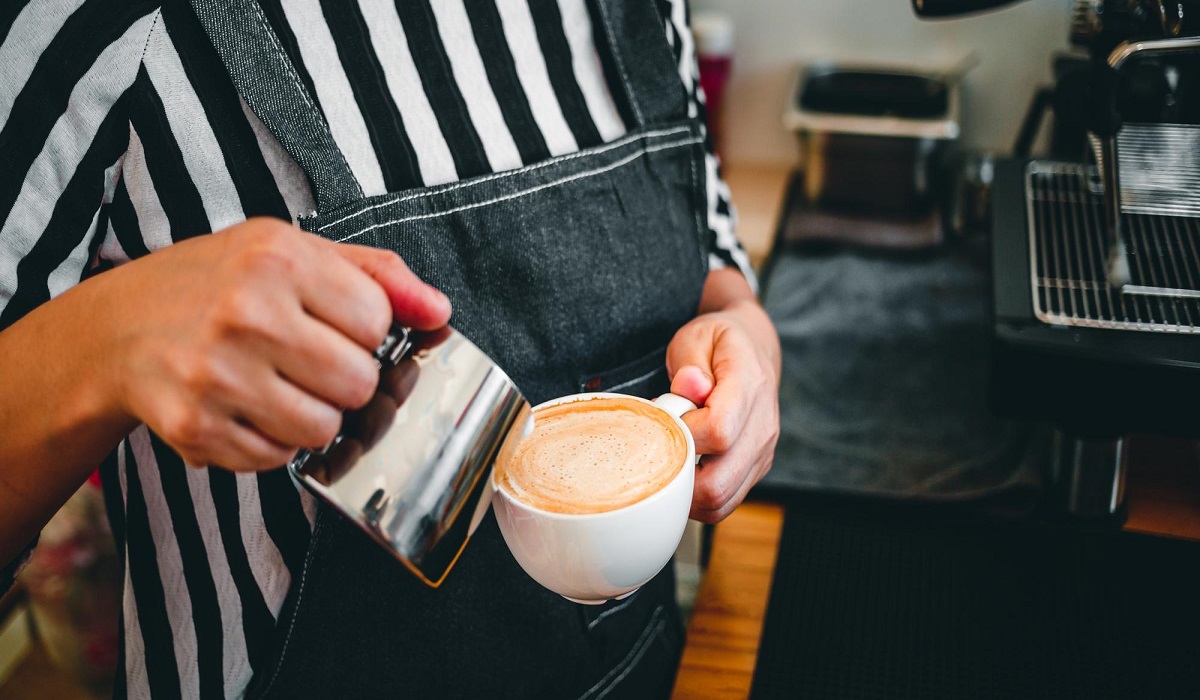
Frothing milk and creating latte art are visual demonstrations of a barista’s expertise. This aspect of barista art requires extensive practice and a deep understanding of milk behavior. A skilled barista knows that to achieve the perfect froth, the milk temperature must be maintained between 60 to 65°C, and the steaming angle must create fine, uniform bubbles.
In the art of barista, latte art is not merely decorative; it reflects mastery over complex frothing and pouring techniques. Designs range from simple hearts to intricate figures such as swans or dragons, each requiring specialized techniques and hours of practice.
Espresso: The Heart of Barista Art
Espresso holds a central place in the art of barista craftsmanship. Preparing the perfect shot requires understanding the interplay of various factors such as temperature, pressure, extraction time, and coffee dose. Professional baristas know that all these elements must be perfectly balanced to achieve an excellent espresso. The rich, golden-brown crema atop an espresso indicates a proper extraction.
Tamping, or compressing coffee grounds in the portafilter, is one of the most critical steps. Pressure must be even and precise to ensure water passes uniformly through the coffee. The typical extraction time is 25 to 30 seconds, yielding approximately 30 ml of espresso. Even a slight deviation in any of these factors can alter the coffee’s taste.
Specialty Coffee Drinks in The art of barista
Barista craftsmanship reaches its peak in the creation of specialty coffee drinks. Cappuccinos, lattes, macchiatos, and mochas each require unique techniques. The ratio of ingredients is crucial—for example, a standard cappuccino consists of one-third espresso, one-third steamed milk, and one-third milk foam.
Baristas must know and adhere to these proportions carefully. Serving temperature is equally important. Each beverage has an optimal temperature: espresso should be served around 65°C, while milk-based drinks require slightly lower temperatures. Professional baristas use pre-warmed cups to maintain the ideal serving temperature.
Equipment Maintenance and Hygiene in The art of barista
A significant part of barista artistry is proper cleaning and maintenance of equipment. A clean, well-calibrated espresso machine is essential for preparing high-quality, customized coffee. Baristas must clean the steam wand after each use and regularly wash the group heads. Portafilters should be cleaned multiple times daily using hot water and specialized cleaning agents.
Regular calibration of equipment is also crucial. Water pump pressure, boiler temperature, and grinder settings should be checked and adjusted routinely. Professional baristas understand that even the finest coffee beans cannot achieve their full potential with poorly maintained or improperly adjusted equipment.
The Future of Barista Art
The art of barista is constantly evolving. Technological advancements and the introduction of smart machines have opened new horizons for baristas. Modern espresso machines offer precise control over temperature and pressure, customizable extraction profiles, and programmable settings. However, no machine can replace the experience and skill of a professional barista.
Consumer awareness of specialty coffees is growing, prompting baristas to expand their knowledge. New brewing methods, such as cold brew and nitro cold brew, have added new dimensions to the art of barista. Baristas must keep pace with these changes and continuously refine their skills.
Conclusion
The art of barista is a complex blend of knowledge, experience, and creativity. Success in this profession requires continuous learning, patience, and passion. By transforming each cup of coffee into a unique experience, baristas play a vital role in coffee consumption culture. Ultimately, it is this art that turns a simple beverage into an unforgettable experience.